Softness Is a Strategy
May 27, 2026 · 1 min read
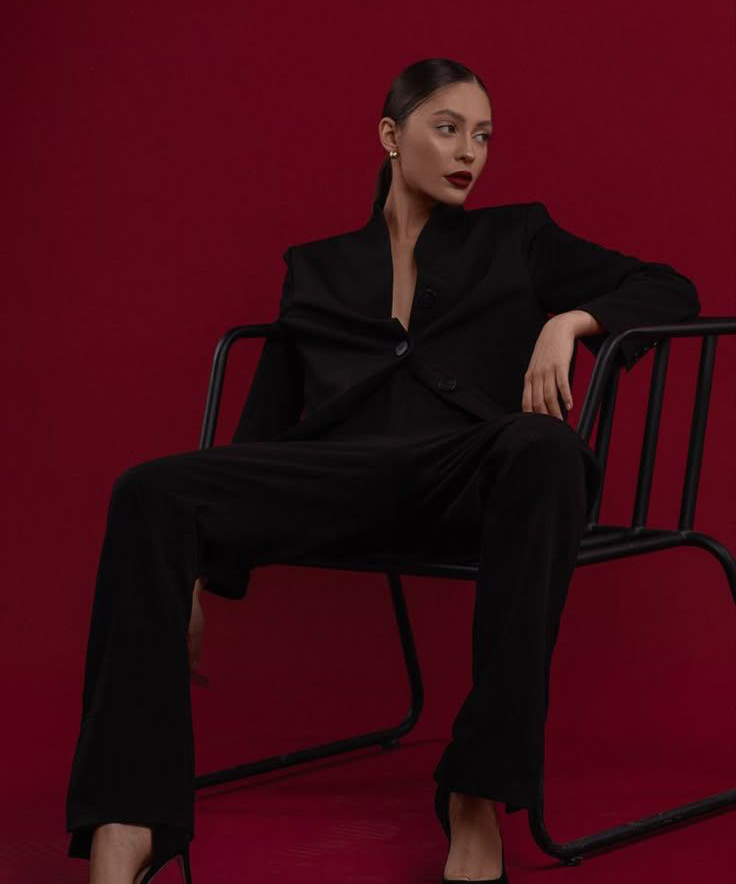
For a generation, dressing for authority meant dressing like the men who held it. Sharp shoulders, hard lines, colors borrowed from boardroom furniture. The strategy made sense once. It costs more than it returns now.
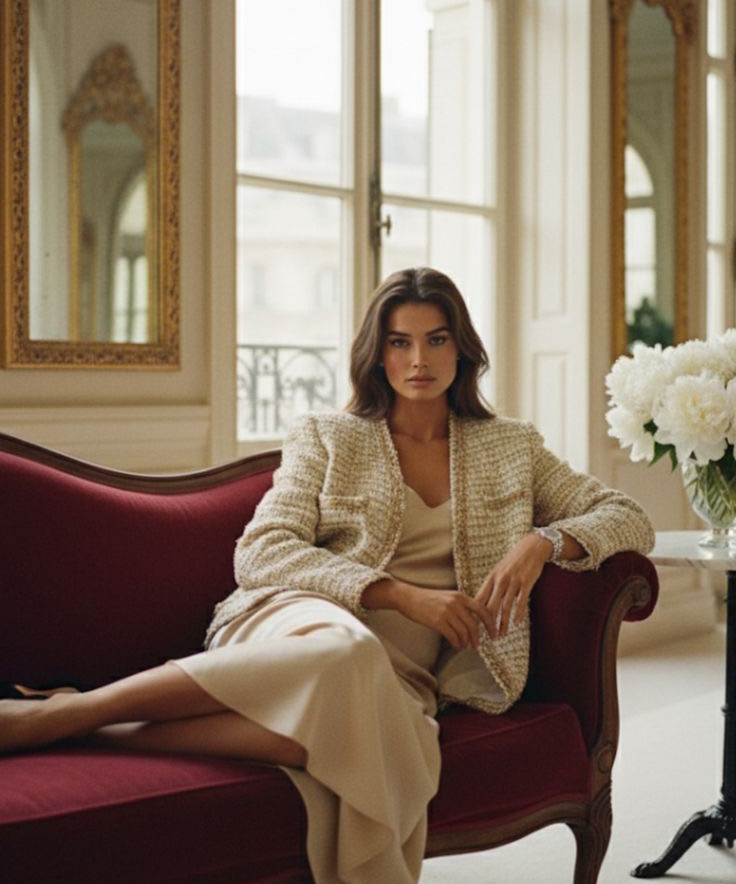
Because here is what actually happens in a room: hardness triggers guardedness. When everything about a presence says braced, people brace back. Softness — a fluid fabric, a rounded collar, a color with warmth in it — lowers the temperature. And lowered temperature is where persuasion happens.
Soft is not the same as small
The confusion is understandable: we conflate softness with apology because we’ve seen soft worn apologetically. A drapey knit with hunched shoulders reads as retreat. The same knit worn with a straight spine and a level gaze reads as ease — and ease is the most senior signal there is.
The most powerful person in the room is rarely the most armored one. It’s the one comfortable enough not to need armor.
Think of the difference between an interviewer and an interrogator. Both hold authority. Only one gets the truth.
Putting it to work
Softness works as a strategy when it’s chosen, not defaulted to. A few places to deploy it deliberately:
- High-stakes conversations. A soft texture near the face — cashmere, silk, brushed wool — reads as approachable while your content does the asserting.
- Leading a tense room. Fluid trousers instead of rigid ones change how you move, and how you move changes how the room breathes.
- Client-facing firsts. First meetings are trust auditions. Warmth wins them more often than sharpness does.
Keep the sharp tailoring — some days call for the blade. But stop treating softness as the absence of power. Worn with intention, it is power, in its most fluent dialect.